
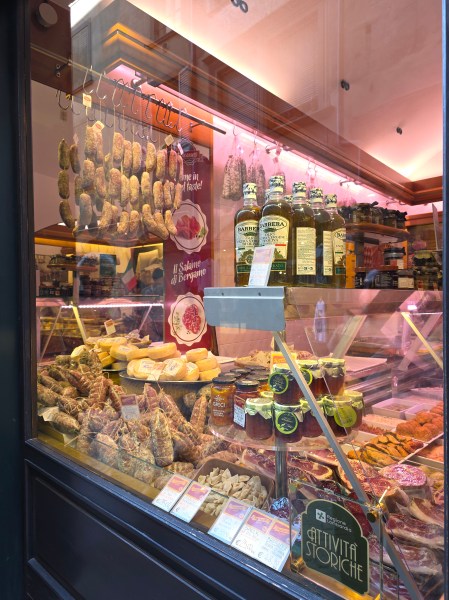
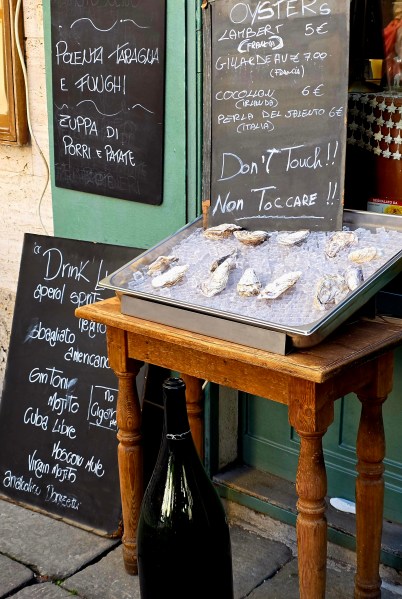
Lombardy is a sensory journey where gastronomy represents the highest form of respect for the land and tradition. While olive oil dominates the south, here butter is king, and the stars of the table are rice and polenta. Lombard cuisine mirrors a complex history. Spanish, French, and Austrian influences have intertwined with a diverse geography—stretching from the soaring Alps to the mirror-like lakes and the fertile plains of the Po River. The result? Iconic dishes that strictly follow centuries-old traditions:
- Risotto alla Milanese: A legend dating back to 1574, born from the brilliance of an apprentice working on the stained glass of the Milan Cathedral (who used saffron for color).
- Cotoletta alla Milanese: The “bone of contention” between Milan and Vienna.
- Ossobuco: The very essence of slow cooking.
- Panettone: Milan’s sweet symbol, now beloved worldwide.
🌊 Sirmione & the Magic of Lake Garda On the shores of the lake, I discovered how wine and fish create a perfect harmony. I chose a Lugana Sirmione 2023 (Avanzi), a white wine with remarkable structure, which I paired with:
- Spaghettoni con sarde: A delicacy with sun-dried tomatoes and crunchy breadcrumbs.
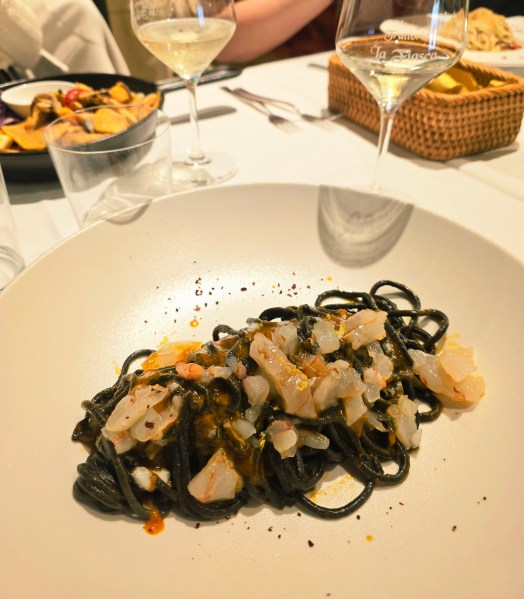
- Chitarra nera: Creamy black pasta with shellfish and shrimp tartare.
- Fritto misto di Lago: The lake’s freshness served in a golden crust.
This international award-winning Lugana wine originates from the ancient vineyard “Vigna Bragagna” in the heart of Lugana. The harmonic fullness of this wine is determined by the Turbiana grapes, the exceptionally old vines, and the clay-based soil. It is fresh, fruity, and full-bodied with a slightly bitter almond aftertaste. This Lugana stands out from all others; it proudly displays the name “Sirmione” on the label, and Avanzi is the only winery authorized to do so under Italian law, as the grapes originate specifically from the unique soil of Vigna Bragagna.
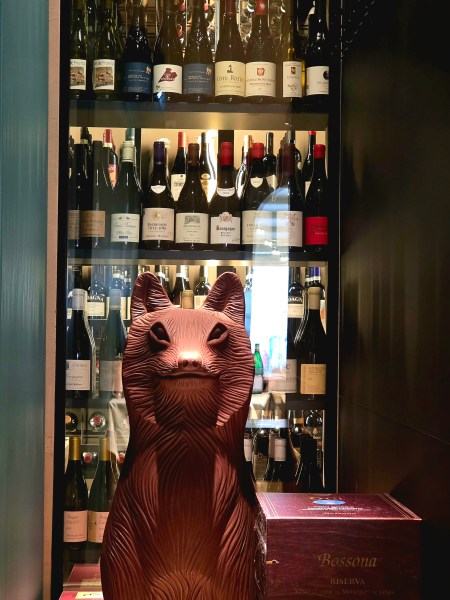
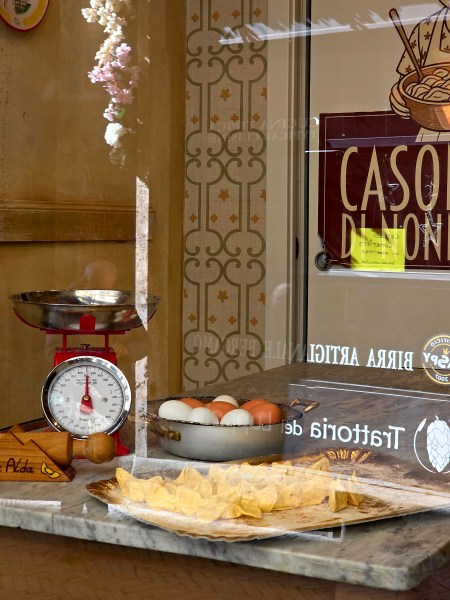
🏰 Bergamo: Between Tradition and “Polenta e Osei” In the heart of Bergamo, history is felt at every step. I tasted the famous Casoncelli alla Bergamasca, documented as far back as May 13, 1386, at a banquet hosted by Gian Galeazzo Visconti. Casoncelli emerged from the need to optimize resources in peasant households, using leftover meat, breadcrumbs, cheese, and herbs for the filling. Their preparation was a community activity; mothers, daughters, and neighbors would gather to transform leftovers into pasta—a true moment of socializing. The addition of raisins, amaretti (almond biscuits), or pears provides a sweet note, turning a simple dish into a festive one. The name translates to “little boxes” or “chests,” describing their pocket-like shape. Traditionally, they are served with melted butter, sage leaves, and pancetta, sprinkled with Parmigiano Reggiano or Grana Padano.
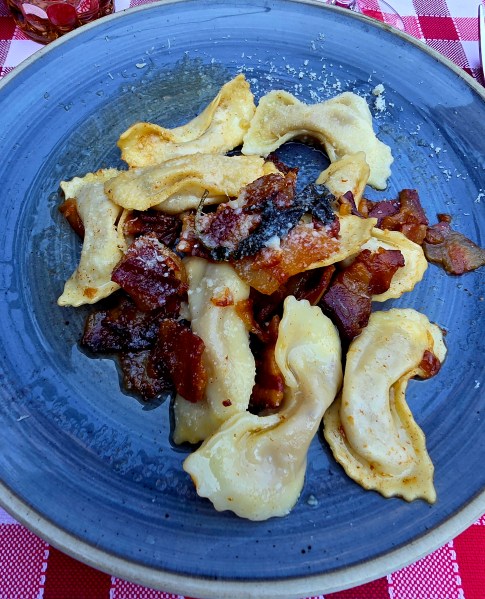
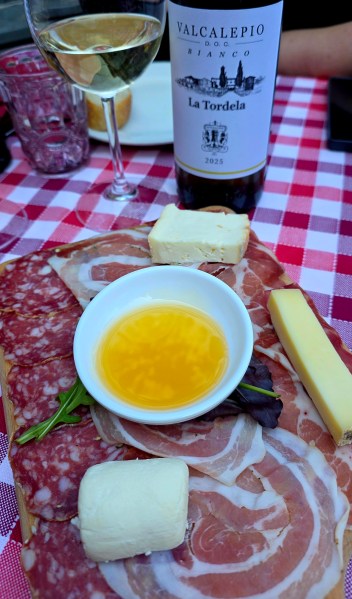
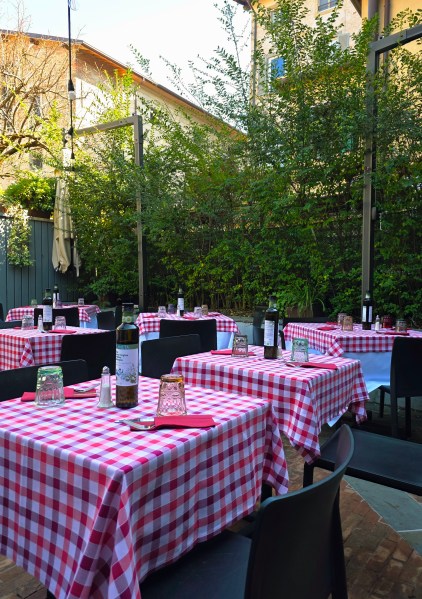
I enjoyed them on the terrace of Bistro Mimì, immersed in an authentic atmosphere while leafing through “111 Traditional Bergamasque Recipes.” This was accompanied by a Valcalepio DOC (a blend of Pinot Blanc, Pinot Grigio, and Chardonnay). Light straw-yellow in color, this wine is characterized by fruity and floral notes, having been aged for three months in steel barrels.
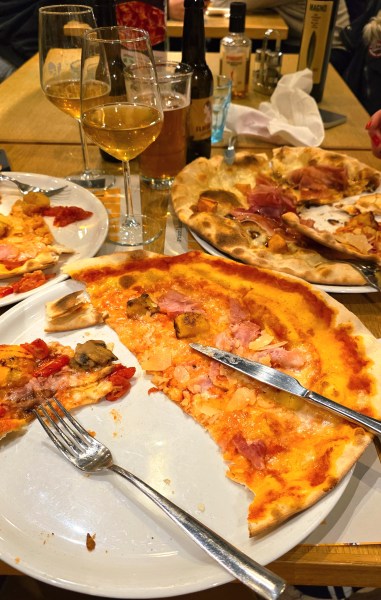
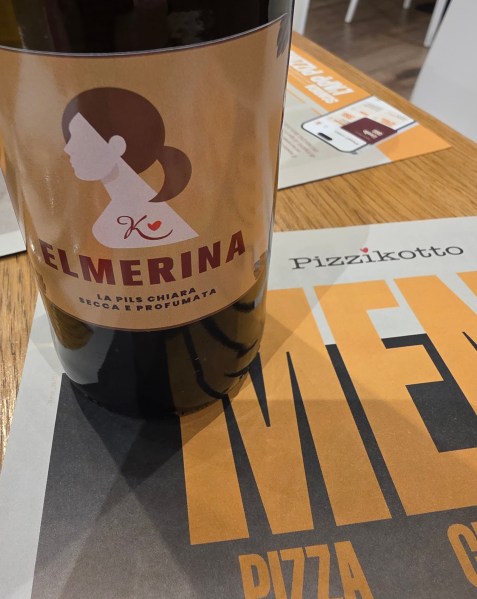
At Pizzikotto, that ultra-thin and crispy crust isn’t just an option—it’s an absolute must. It serves as the perfect canvas for drops of chili oil that deliver an immediate spicy kick. To balance the heat, an unpasteurized birra chiara steps in: a ribbon of liquid gold, crisp and unexpectedly fragrant. Its raw freshness and floral notes cut right through the oil’s spice, creating a fluid contrast between the pizza’s scrocchiarella texture and the beer’s vibrant character, which cleanses your palate and readies you for the next slice.
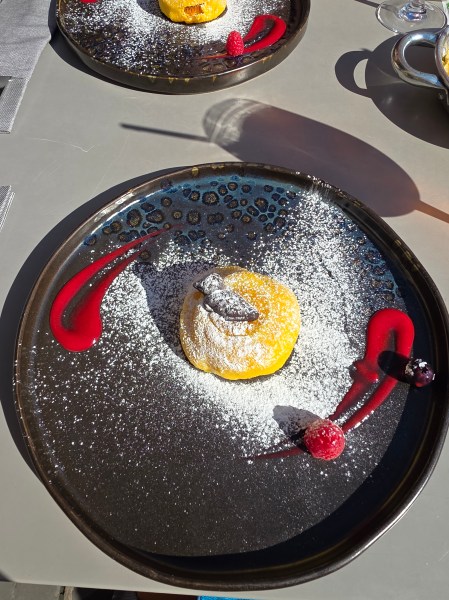
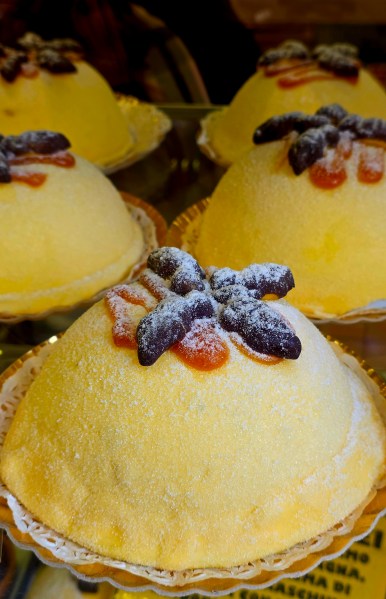
In Piazza Vecchia, for dessert, I explored Polenta e osei, created in 1910 by Alessio Amadeo at Pasticceria Milanese. This dessert is a sweet tribute to rural tradition, reimagining an old peasant dish that consisted of cornmeal (polenta) served with small hunted birds (osei), such as larks or thrushes. Visually, the dessert mimics a warm mound of polenta. It is made of sponge cake filled with chocolate, hazelnut, or butter creams, covered with a thin layer of yellow marzipan. On top sit small birds made of chocolate or marzipan, dusted with granulated sugar to symbolize the “osei” from the original recipe.
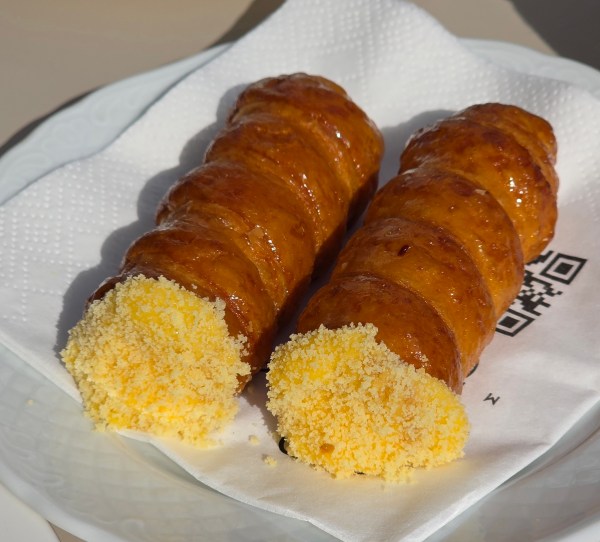
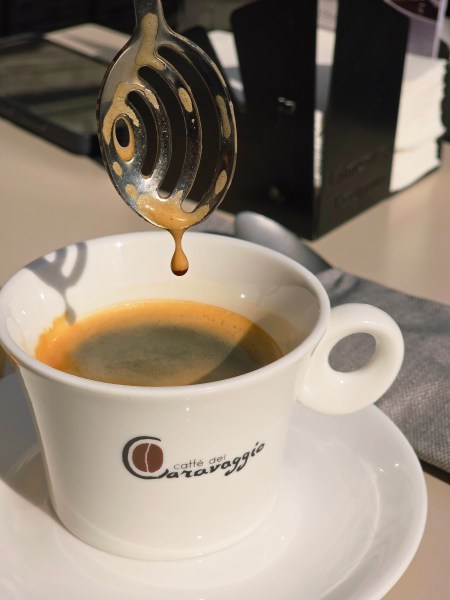
☕ The Coffee Ritual and the Bliss of Cannoncini In Italy, coffee is more than just a drink; it is a mandatory elixir to truly experience the intensity and history of the cozy, delicate streets. It is the fuel that allows you to absorb every architectural detail. I paired mine with a Cannoncino, an absolute “explosion of sensations.” These small tubes of crispy, flaky puff pastry, filled with rich pastry cream, are an icon of Northern Italy. Unlike the Sicilian cannoli, which are deep-fried, cannoncini are oven-baked and often finished with granulated sugar for a caramelized touch.
🍦 Stracciatella: From the Source, “La Marianna” You cannot visit Bergamo without tasting Stracciatella at its birthplace. The history of one of the world’s most beloved gelato flavors began in 1961 at the La Marianna gelateria in the Upper Town (Città Alta). Its creator, Enrico Panattoni, was inspired by the popular Roman soup of the same name, creating the perfect contrast between creamy milk and crunchy dark chocolate shards.
The conclusion? In Italy, your taste buds must be put to the test. Whether it’s a classic pizza, artisanal pasta, or dishes with centuries of history, every bite is a lesson in culture.
Lombardia #Gastronomie #Sirmione #Bergamo #LuganaWine #Casoncelli #PolentaEOsei #ItalyTravel #FoodHistory #Stracciatella #LaMarianna #Cannoncini #CoffeeCulture

 Cooking Without Limits